

1. Hydraulic system
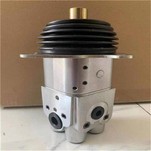
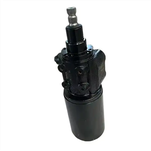
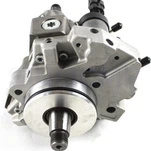
The hydraulic system of an excavator is the core component for power transmission and control, including the main pump, motor, hydraulic cylinder, valve, etc. By controlling the hydraulic system, various operations and actions such as starting, turning, lifting, and loading of the excavator have been achieved.
2. Engine
The engine of the excavator is the power source of the excavator. According to different models and specifications of excavators, corresponding engines are selected, usually including diesel engines and gasoline engines. The engine drives the hydraulic pump through the transmission system, generating hydraulic energy and driving the hydraulic cylinder to achieve functions such as excavation, loading, and movement.
3. Transmission system
The transmission system of the excavator includes a hydraulic transmission, gearbox, drive axle, etc., which is used to achieve the forward, reverse, and steering actions of the excavator. The design and performance of the transmission system directly affect the operational efficiency and energy consumption of excavators.
4. Working device
The working device of the excavator mainly includes the excavation arm, bucket teeth, bucket rod, bucket, etc. During the operation of the excavator, the excavation, loading, unloading and other tasks are completed by controlling the action of the working device.