


Hydraulic Pump
A hydraulic pump is a mechanical source of power that converts mechanical power into hydraulic energy. Hydraulic pumps are used in hydraulic drive systems and can be hydrostatic or hydrodynamic. They generate flow with enough power to overcome pressure induced by a load at the pump outlet. When a hydraulic pump operates, it creates a vacuum at the pump inlet, which forces liquid from the reservoir into the inlet line to the pump and by mechanical action delivers this liquid to the pump outlet and forces it into the hydraulic system. Hydrostatic pumps are positive displacement pumps while hydrodynamic pumps can be fixed displacement pumps, in which the displacement cannot be adjusted, or variable displacement pumps, which have a more complicated construction that allows the displacement to be adjusted.
Advantages of Hydraulic Pump
Green
Carbon steel is easy to recycle compared to many other materials, making it environmentally friendly.
Economical
For many uses, such as piping, carbon steel can be made very thin compared to other metals. This makes it very cost effective. Carbon steel pipes, for example, are cheaper to make than copper pipes.
Durable
Carbon steel is extremely strong and shock resistant. This makes it a popular choice for construction, piping and to support modern roads. This type of steel is also not prone to rotting as many other metals are.
Safe
Compared to many other materials, steel is safe to handle and work with. It’s also a good material for building homes that are resistant to fires, hurricanes, tornadoes and earthquakes.
-
 Original HM400 GREASE PUMP 07952-70014 07952-70004 For Ko...original HM400 dump trucks parts 07952-70014 07952-70004 for komatsu originalAdd to Inquiry
 -
 708-1W-00881 Fan Pump For Loader WA380-6 WA430-6708-1W-00881 Fan Pump For Loader WA380-6 WA430-6Add to Inquiry
 -
 21M-98-11110 Grease Pump For PC650-8 PC700-8 PC800-8569-40-42502 steering valve for Dump truck HD465Add to Inquiry
 -
 OEM Quality Pump 708-1L-00012 Hydraulic Main Pump For D65-12OEM Quality Pump 708-1L-00012 Hydraulic Main Pump For D65-12Add to Inquiry
 -
 235-60-11100 Genuine Hydraulic Main Pump For GD805 GD825235-60-11100 Genuine Hydraulic Main pump For GD805 GD825Add to Inquiry
 -
 OEM Genuine Valve 561-43-8A221 For Dump Truck HD785-7OEM Genuine Valve 561-43-8A221 For Dump Truck HD785-7Add to Inquiry
 -
High Quality Fan Pump 708-1t-00620 For HM400High Quality Fan Pump 708-1t-00620 For HM400Add to Inquiry
-
 Pressure Switch 418-43-37681 For Wheel Loader WA380 WA470Pressure Switch 418-43-37681 For Wheel Loader WA380 WA470Add to Inquiry
 -

-

-

-
 Komatsu WA380-3 Gear Pump 705-55-34181Construction Machinery High Quality Komatsu Wheel Loader Spare Parts Hydraulic Gear Pump 705-55-34181 ,for WA350-3,WA380-3Add to Inquiry
-
 Origina 561-40-61330 Bushing For HD985 HD785
 -
 Genuine Product 20Y-979-6191 Sensor For BP500-7 PC200 PC1...
 -
 2A5-50-111910 Cylinder Eye For Construction Machinery
 -
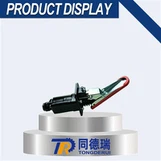 Aftermarket Foot Brake Valve 569-43-83121, Hydraulic Peda...
 -
 New Bushing 6210-21-1790 For S6D140E Parts
 -
 VALVE PARTS 714-10-16951 FOR WA200
 -
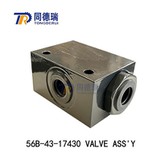 Genuine Product 56B-43-17430 Valve For HD450-7 HD325-7 HD...
 -
 Industry & Product Knowledge Introduction: Fuel Filter 60...
 -
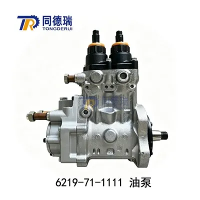 Fuel Injection Pump 6219-71-1111 For D475-5 Engines
 -
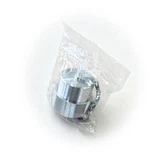 New Cap 581-96-14630 For Excavator
 -
 High-quality 707-010CG70
 -
 V-Band Clamp For Construction Machinery
- Tel: +8613455586650
- Email: admin@tdrzl.com
- Add: No.8 Shanbo Road, High tech Zone, Jining City, Shandong Province.
Our factory
Our company is located in Jining City, Shandong PR, China, the place for Komatsu and Shantui manufactory. is a leading supplier for Consruction machinery parts. Our company cooperate with the manufactury produce the hydraulic cylinder rod, Could supply for all the model which you need.Our factory owns several mechanical processing production lines, has been approved as OEM parts supplier for Komatsu.
Our product
Our company supply spare parts for excavator, wheel loader, bulldozer and other construction machinery parts. Our parts main used for excavator, wheel loader and bulldozer.
Production market
Our parts main sold South America, Southeast Asia and Saudi Arabia. Exported to more than 50 Contries.
Our service
Could supply you the complete parts with cheaper price. We try and respond to all concerns within 24 hours and our teams are always at your disposal in case of any emergencies.
Electric hydraulic pump
These are hydraulic liquid transmission pumps that work by using electricity. These pumps are normally utilized to move hydraulic liquid from a tank to a hydraulic cylinder. There are different hydraulic pumps there, but the defining characteristic of every type is the utilization of pressurized fluids to complete a job.
Hydraulic hand pump
These are fluid transmission machines that use the mechanical power produced by a physically operated actuator. Here an actuator could be a toggle, lever, handle, etc. These pumps are used for water pumping, hydraulic fluid distribution, etc. These pumps are used for different tasks like the direction of hydraulic liquid to circuits within helicopters, instrument calibration & piston actuation within hydraulic cylinders.
Vane pump
These are positive displacement hydraulic pumps that maintain a stable flow rate at varying pressures. This type of pump includes a variable no. Of vanes placed onto a rotor that turns in the cavity and also a pressure relief valve that avoids an increase in pressure within the pump from harming it. Vane pumps operate at extremely low noise levels with a constant flow rate. These pumps generate less noise while maintaining a high speed of up to 3,000 rpm.
Hydraulic gear pump
These pumps are available in two types internal & external gear pumps. External gear pumps include two spur gears that are arranged externally whereas internal gear pumps include two spur gears that are arranged internally. These types of gear pumps are used for delivering a consistent amount of fluid through each rotation of the gears.
Hydraulic ram pump
These are commonly used hydraulic pumps which are used for supplying water in the agricultural, plumbing, waste management, sewage, manufacturing & engineering industries. These pumps work by using hydropower rather than an external energy source. So these pumps are a prominent choice in some developing countries where the accessibility of the electricity & fuel necessary to strengthen motorized pumps is restricted. The hydropower usage will also decrease energy utilization for plants & industrial factories.
12v hydraulic pump
Hydraulic pumps operate on a 12v dc supply through a battery/motor o move water into or out of the preferred location. These pumps are normally used to push, pull & also lift heavy loads within motorized & vehicle machines. These hydraulic pumps are very common as they work on small batteries.
Air hydraulic pump
These pumps are also known as pneumatic hydraulic pumps which use compressed air to activate a pump mechanism and generate energy from a pressurized fluid. These pumps are used in different industries to help in the lifting of heavy loads & transportation of materials through minimal initial force.
Components of Hydraulic Pump
Hydraulic pump valves
Hydraulic valves are utilized to start, stop, and direct liquid flow in a system. Hydraulic valves are made of spools or poppets and can be actuated hydraulically, pneumatically, manually, electrically, or mechanically.
Hydraulic pump
Mechanical energy is changed to hydraulic energy by the hydraulic pump. This is accomplished through the movement of liquid, which serves as the transmission medium. All hydraulic pumps operate on the same basic principle of dispensing fluid volume against a resistive load or pressure.

Hydraulic pump reservoir
The hydraulic reservoir's function is to hold a volume of liquid, transfer heat from the system, permit solid pollutants to settle, and aid in releasing moisture and air from the liquid.
Hydraulic pump actuators
The end result of pascal's law is hydraulic actuators. This is the point at which hydraulic energy is transformed back to mechanical energy. This can be accomplished by using a hydraulic cylinder to transform hydraulic energy into linear movement and work or a hydraulic motor to transform hydraulic energy into rotational motion and work. Hydraulic motors and hydraulic cylinders, like hydraulic pumps, have various subtypes, each meant for specific design use.
Application of Hydraulic Pump
Construction, excavation, automotive manufacturing, agriculture, manufacturing, and defense contracting are just a few industries that use hydraulic power on a daily basis. Because hydraulics are so widely used, hydraulic pumps are unsurprisingly found in a wide variety of machines and industries. Pumps perform the same basic function in all contexts where hydraulic machinery is used: They move hydraulic fluid from one location to another to generate hydraulic energy and pressure.
Hydraulic pumps are used in elevators, automotive brakes, automotive lifts, cranes, aeroplane flaps, shock absorbers, log splitters, motorboat steering systems, garage jacks, and other products. Hydraulic pumps are most commonly used on construction sites in large hydraulic machines and various types of "off-highway" equipment such as excavators, dumpers, diggers, and so on. In other settings, such as offshore work areas and factories, hydraulic systems are used to power heavy machinery, cut and bend material, move heavy equipment, and so on.
Hydraulic pumps play an important role in converting fluid power into mechanical energy, allowing the hydraulic system to perform the desired functions. Because there are various types and variations of hydraulic pumps, it is critical to choose the ones that will best meet your hydraulic specifications and requirements to perform the necessary functions.
Hydraulic pumps play an important role in converting fluid power into mechanical energy, allowing the hydraulic system to perform the desired functions. Because there are various types and variations of hydraulic pumps, it is critical to choose the ones that will best meet your hydraulic specifications and requirements to perform the necessary functions.
Basic Tips for Maintaining Your Hydraulic Pump
Hydraulic systems are extremely useful when it comes to working with heavy loads or operating machinery. Unfortunately, when hydraulic systems malfunction or are damaged, they can also be extremely expensive. The expense to repair the system can be quite costly, but damaged systems also mean extensive downtime and missed work, which affects your bottom line. To ensure that your hydraulic pump remains efficient and in operation, it is important to have a regular maintenance program.
Hydraulic fluid is the lifeblood of a hydraulic system; it is what transfers power, lubricates components, and transfers heat and contamination. Without well-functioning and uncontaminated hydraulic fluid, your system and the entire machine will not perform efficiently. Here are some tips to get the most out of your fluid. Make sure the fluid is topped off. Hydraulic fluid that is too low allows air into the reservoir which affects the available pressure. Monitor the fluid for contaminants such as water, dirt, or metal shavings. When filling the fluid, clean the reservoir opening and opening of the fluid jug to ensure that no debris inadvertently fall in. Regularly check and change hydraulic filters. Monitor your fluid and system temperature. Fluid that is too hot causes oxidation while fluid that is too cool causes condensation and possible cavitation, both of which can damage the entire system. Consult your manufacturer for the proper temperature range. Test your fluid for suspicious odors or color.
Over time and continual use, hydraulic components can become damaged, frayed, or worn down. Visually and auditorily inspect components on a regular basis to ensure worn out parts are properly addressed and replaced so they do not affect the entire system.It is best to set up a schedule to inspect components either weekly or monthly depending on how often the system is in use. Listen to your system. High-pitched whining or knocking sounds could indicate cavitation which is gas bubbles causing small implosions in the hydraulic fluid. This creates unnecessary wear and damage to the hydraulic pump and should be addressed immediately.
Check hoses and tubing for any kinks, frays, or other damage. Hose damage can restrict fluid movement or cause leakage. Inspect breather filters and caps for holes, damage, or contamination. Make sure couplers and fittings are clean to ensure there is no contamination. Check pipes, fittings, and any other metal component for rust or dents. Check the thickness of hydraulic lines as this could indicate a buildup of pressure. Replace seals if you suspect they may be damaged or worn out as damaged seals can cause leakage and a loss of pressure. Replace filters regularly. Use an infrared thermometer to monitor the temperature of the electric drive motor to ensure it is not overheating.
How to Choose Hydraulic Pump
Understand your application needs
Before delving into the intricate world of hydraulic pumps, it's imperative to embark on a journey of comprehensive assessment regarding your application's unique requirements. Factors such as flow rate, pressure, and system size are the vital parameters that will govern the choice of the pump that best suits your needs. Neglecting to match your pump selection with these specific demands can lead to potentially dire consequences: Either under-sizing, which results in system inefficiency, or over-sizing, causing unnecessary costs and energy consumption. The first step is calculating your hydraulic system's required flow rate and pressure. These parameters serve as the cornerstones of your pump selection.
Budget and cost of ownership
Budget constraints are a reality for most projects, and this is where the intersection of financial considerations and hydraulic engineering becomes especially crucial. When evaluating hydraulic pumps, it is crucial to consider the initial upfront cost and the long-term cost of ownership. The latter includes maintenance expenses, energy consumption, and potential replacement costs. While there may be a temptation to opt for the least expensive option initially, it's imperative to strike a balance between your budget limitations and the performance requirements of your application. Investing more in a higher-quality and more efficient pump can often lead to substantial payoffs in reduced operating costs and improved system performance. High operating costs and the potential need for frequent replacements can quickly outweigh the initial savings of a less expensive pump.
Pump types and their advantages
Hydraulic systems rely on different pump types, each with its unique advantages. Gear pumps are simple and reliable, ideal for moderate-pressure applications. Vane pumps offer quiet operation and versatility, making them suitable for fluctuating loads. Piston pumps excel in high-pressure scenarios and come in various designs. To make an informed choice, comprehend these pump types' characteristics and performance capabilities and select the one that best aligns with your specific application's demands. Your pump choice can significantly impact the efficiency and effectiveness of your hydraulic system, so careful consideration is essential.
Consider efficiency
Efficiency is a pivotal aspect of hydraulic systems, as it directly influences energy consumption and the system's overall performance. When striving to make an energy-efficient choice, meticulous research into the efficiency ratings of different pumps is indispensable. Seek pumps that skillfully strike the equilibrium between power input and output, finely tailored to your specific application. Efficiency in hydraulic systems is all about conserving energy and optimizing performance while minimizing heat generation. Choosing a more efficient pump can lead to significant cost savings over time. Energy-efficient pumps contribute to sustainability and reduce operating expenses, making them an excellent choice for cost-conscious individuals and organizations.
Reliability and maintenance
Reliability is paramount when it comes to selecting a hydraulic pump. Opt for a pump with a well-established track record of dependability. Particularly in industrial settings, downtime due to pump failures can result in high costs and disruptive setbacks. To mitigate such risks, it is essential to thoroughly investigate the manufacturer's reputation and the pump's history of reliability. A pump that is easy to maintain saves time and minimizes operational costs in the long term. Regular maintenance is the lifeline of any hydraulic system; it ensures prolonged functionality and guards against unexpected breakdowns that can harm your operations.
Jining Tongderui Construction Machinery Co., Ltd was established in 2011. Our company is located in Jining City, Shandong PR, China, the place for Komatsu and Shantui manufactory. is a leading supplier for Consruction machinery parts,after 12 years development, Our company service more andmore clients in the world. Help them to got the spare partswith best price and quality, fast delivery. Our company cooperate with the manufactury produce the hydraulic cylinder rod, Could supply for all the model which you need.Our factory owns several mechanical processing production lines, has been approved as OEM parts supplier for Komatsu. Exported to more than 50 Contries. Passed ISO 9001-14001 international quality management system certification.


Certificate

FAQ
As one of the leading hydraulic pump manufacturers and suppliers in China, we warmly welcome you to wholesale discount hydraulic pump made in China here from our factory. All our products are with high quality and low price.
705 52 40160 Hydraulic Oil Pump, PC50MR 2 Hydraulic Pump