


Hydraulic Valve
A hydraulic valve is a mechanical device that regulates the flow of the hydraulic fluid in a hydraulic system. Hydraulic systems are typically high pressure systems, ranging from 200 Bar averaging 700 Bar upwards. This means they have to be constructed from materials that can withstand these high pressures. The methods of controlling these valves are also vast. They can be controlled physically and mechanically with electrical actuation, hydraulics, and pneumatics.
Advantages of Hydraulic Valve
Control and precision
They enable precise control over the movement and operation of hydraulic actuators, essential for applications requiring accuracy and repeatability.
Safety and reliability
Properly functioning valves ensure that hydraulic systems operate within safe pressure and flow limits, minimizing the risk of equipment damage or failure.
Efficiency
By regulating fluid flow and pressure, hydraulic valves contribute to the overall efficiency of hydraulic systems, optimizing energy usage and reducing operational costs.
Versatility
Different types of hydraulic valves cater to a wide range of applications across industries such as construction, manufacturing, agriculture, and aerospace, demonstrating their versatility and adaptability.
-
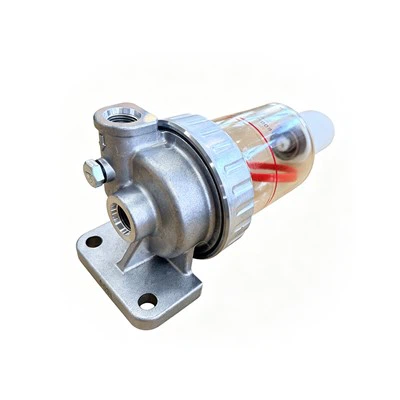 Water Separator 600-311-7610 600-311-7611 600-311-7612 OE...Water Separator 600-311-7610 600-311-7611 600-311-7612 OEM Japan in StockAdd to Inquiry
 -
 HD605 HD785 Valve Assy 56B-43-17430 OEM Japan in Stock Wi...HD785-7 Valve Assembly 561-88-86270 OEM Japan in Stock with Good PriceAdd to Inquiry
 -
 HD785 Valve Assembly 561-88-86270 OEM Japan in Stock With...HD785-7 Valve Assembly 561-88-86270 OEM Japan in Stock with Good PriceAdd to Inquiry
 -
 Komatsu WA600 Valve Assy 42C-43-17600 Original Japan PartsKomatsu WA600 Valve Assy 42C-43-17600 Original Japan Parts in stockAdd to Inquiry
 -
 Original Hydraulic Valve 421-43-37800 Accumulator For Kom...original hydraulic valve 421-43-37800 accumulator for komatsu partsAdd to Inquiry
 -
 Komatsu Loader Parts Hydraulic Brake Valve 425-43-38910komatsu Loader parts Hydraulic brake valve 425-43-38910Add to Inquiry
 -
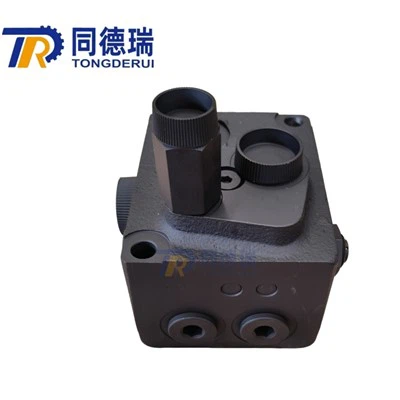 Komatsu Valve Assy 566-43-82810 Genuine PartsKomatsu Accumulator Charge 566-43-82810 for HD325 HD465 HD605 Dump Trucks Spare PartsAdd to Inquiry
 -
 HD46-7 Steering Valve 569-40-42502 569-40-42501 569-40-42...HD46-7 steering valve 569-40-42502 569-40-42501 569-40-42500 with 569-40-42520housingAdd to Inquiry
 -
 Komatsu Steering Valve 569-40-63302 HD605 HD465 PartsKomatsu Steering Valve 569-40-63302 for HD605 HD465 Dump Trucks PartsAdd to Inquiry
 -
 ACCUMULATOR CHARGE Valve 566-43-82810 Original Instock Fo...ACCUMULATOR CHARGE valve 566-43-82810 original instock for RexrothAdd to Inquiry
 -
 Original BRAKE CONTROL VALVE 569-43-83111 For Komatsu HD4...Original BRAKE CONTROL VALVE 569-43-83111 for komatsu HD465 dump trucksAdd to Inquiry
 -
 D-89275 Rexroth Hydraulic Pump 90403106 Origina InstockD-89275 Rexroth Hydraulic Pump 90403106 origina instockAdd to Inquiry
-
 Origina 561-40-61330 Bushing For HD985 HD785
 -
 Genuine Product 20Y-979-6191 Sensor For BP500-7 PC200 PC1...
 -
 High-quality PIN 14X-78-11310 For D65 D68
 -
 New Bushing 6210-21-1790 For S6D140E Parts
 -
 VALVE PARTS 714-10-16951 FOR WA200
 -
 Genuine Product 56B-43-17430 Valve For HD450-7 HD325-7 HD...
 -
 Fuel Injection Pump 6219-71-1111 For D475-5 Engines
 -
 New Cap 581-96-14630 For Excavator
 -
 High-quality 707-010CG70
 -
 High-quality STRAINER 22B-60-11160 For PC360-7
 -
 ELEMENT 569-43-83920 For HD405-7 HD605-7R
 -
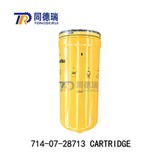 714-07-28713 ELEMENT For WA470-6 GD675-3EO
- Tel: +8613455586650
- Email: admin@tdrzl.com
- Add: No.8 Shanbo Road, High tech Zone, Jining City, Shandong Province.
Our factory
Our company is located in Jining City, Shandong PR, China, the place for Komatsu and Shantui manufactory. is a leading supplier for Consruction machinery parts. Our company cooperate with the manufactury produce the hydraulic cylinder rod, Could supply for all the model which you need.Our factory owns several mechanical processing production lines, has been approved as OEM parts supplier for Komatsu.
Our product
Our company supply spare parts for excavator, wheel loader, bulldozer and other construction machinery parts. Our parts main used for excavator, wheel loader and bulldozer.
Production market
Our parts main sold South America, Southeast Asia and Saudi Arabia. Exported to more than 50 Contries.
Our service
Could supply you the complete parts with cheaper price. We try and respond to all concerns within 24 hours and our teams are always at your disposal in case of any emergencies.
The Most Common Types of Hydraulic Valves
Directional control valves
Directional spool valvesas the name suggests, directional control valves are used to direct the flow of fluid through the system. These valves can control the start, stop, pause, and change in direction of flow of a pressure medium. For this reason, they are also referred to as switching valves. The function of a directional control valve is determined by the number of working ports and the number of spool positions. A directional control valve comprises at least two-spool positions and two working ports. The most common directional control valve is a 4/3-way valve, which means the valve has four working ports and three spool positions. The 2-way directional control valve is the simplest directional control valve that has two ports called inlet and outlet. A 3-way directional control valve has 3 working ports called inlet, outlet and exhaust. They are used in single-acting cylinders and the third working port can block the flow of all ports.
Hydraulic pressure control valves
Pressure control valves are the most common valves for controlling pressure. They include relief, reducing, sequence, counterbalance, and unloading valves. The hydraulic pressure control valve plays a vital role in preventing the leakage and bursting of pipes or tubing. Pressure control valves regulate the pressure of the fluid passing through the pipe or tubing by releasing the excess pressure. These valves maintain the pressure as entered manually by the operator. Pressure-control valves are found in virtually every hydraulic system, and they assist in a variety of functions, from keeping system pressures at safe levels to maintaining a set pressure in part of a circuit.
Hydraulic flow control valves
The purpose of flow control in a hydraulic system is to regulate speed. Flow control valves control the speed of an actuator by regulating the flow rate. Flow rate also determines the rate of energy transfer at any given pressure in a system. Flow control valves are used for controlling and adjusting the fluid or gas flow through the system. These valves can optimize the performance of your hydraulic system. Flow control valves will monitor and regulate pressure fluctuations in the system and prevent flow towards system components
Throttling flow control
Throttling flow control is when the size of the path of the fluid is adjusted so that one can vary the flow rate. In the image depicted above, varying the cross-sectional area across the valve will help vary the flow rate. Bernoulli’s principle explains this the best. In bernoulli’s tapered tube depicted below, varying the diameter of the pipe from d1 to d2 will increase the velocity of the fluid running through it (v1 < v2) whether the pipe is inclined or not. Increasing the tube’s velocity means the flow rate has also been increased. So any mechanism that will vary the cross-sectional area across the valve will effectively vary the flow rate.
Pressure compensated flow control
Pressure compensated flow control valves are designed to maintain a constant volumetric flow rate despite any pressure drops across the valve. It will consist of a variable orifice and a mechanism that compensates for pressure loss. It enters through an inlet whose size is varied by the pressure compensator. In this example, the pressure compensator is a compensator spool. The compensator spool is spring loaded such that the resultant force from the spring, the hydraulic load and the incoming fluid will position it to open the inlet to just the right size to maintain a constant volumetric flow rate even with pressure drops in the system. A variation of pressure compensated flow control valve is a temperature compensated flow control valve. This variation comes because sometimes the temperature of operation may rise such that set tolerances in orifices will become inaccurate. Temperature compensators are installed to cater to these variations.
Fixed flow control
This is the most basic method of fluid flow control. It consists of a drilled hole in what acts as a passage on an otherwise blocked fluid passage. When employed for flow control, it is usually put in series with the hydraulic pump.
Adjustable flow control
A common adjustable flow control valve is a priority valve. Priority valves will switch flow to only a required outlet at a given time. For instance, if the pressure in a system drops to a certain extent, the priority valve will block other outlets just to supply the crucial outlet. It achieves this by a spring load that responds depending on the pressure applied.

Parts of Hydraulic Valves
Flexible coupling
A flexible coupling in a hydraulic valve system provides the necessary connection between the input and output shafts, allowing for the transmission of motion and power while compensating for misalignment.
Control shaft
The control shaft serves as a critical component in hydraulic valves, enabling manual or automated control of the valve's position and function. It links the operator or actuator to the valve mechanism, facilitating precise control over fluid flow.
Spool
Spools are central to the operation of directional control valves, as they are responsible for directing the flow of hydraulic fluid. By moving within the valve body, the spool redirects fluid to different paths, facilitating various functions like stopping the flow, allowing flow, or changing its direction.
Control thread
Control threads are vital elements in fine-tuning the hydraulic valve's settings. By adjusting control threads, operators can regulate the valve's response and behavior to suit specific operational requirements.
Feedback spindle
A feedback spindle is often used to provide operators with information about the valve's position or status. It relays real-time feedback to the operator, ensuring precise control and monitoring of the valve's performance.
Piston ring area
The piston ring area is a critical part of hydraulic pistons, maintaining a tight seal within the cylinder. It prevents fluid leakage and ensures efficient hydraulic pressure transfer.
Piston rod
The piston rod connects the piston to external components, transmitting the hydraulic force generated within the cylinder to perform mechanical work. It's a key element in various hydraulic systems, including cylinders and actuators.
Nc valve
An nc (normally closed) valve is a type of directional control valve that remains closed until actuated. When activated, it allows fluid to flow, making it a fundamental component in controlling the flow of hydraulic fluid within a system.
PistonS
Pistons are essential components in hydraulic cylinders and motors. They move within a cylinder in response to hydraulic pressure, generating mechanical force or motion, making them crucial for various applications, including lifting and pushing.
Pilot motor
A pilot motor is often used to control larger hydraulic valves or systems. It serves as an actuator that, when triggered, initiates the movement of the main valve or component, providing precise control over hydraulic functions in complex systems.
The Versatility of Hydraulic Valve Machine Applications
Bulldozers
Bulldozers reign supreme in hydraulic valve machine applications. That is most especially the case in the realm of heavy construction. Hydraulic valves empower these behemoths to manipulate earth and debris with precision. As a result, they carry out efficient site preparation and leveling tasks.
Cranes
When it comes to hydraulic valve machine applications that tower over construction sites, we have cranes. These machines owe their grace and functionality to hydraulic valves. These valves control the extension and retraction of the crane’s boom. Thus, they enable the precise lifting and positioning of heavy loads.
Forklifts
Hydraulic valve machine applications can also be found in warehouses and distribution centers. That is because these places rely on the agility of forklifts to handle and transport goods. Hydraulic valves in forklifts control the lifting and lowering of forks. They ensure a smooth and controlled material handling process.
Loaders
Front-end loaders are hydraulic valve machine applications commonly used in construction and agriculture. They benefit from hydraulic valves which control the lifting of the loader’s bucket.
Excavators
Hydraulic excavators have precision in digging and excavation. They owe their capabilities to hydraulic valves. These valves govern the movement of the excavator’s boom, bucket, and arm. Thus, you can find multiple hydraulic valve machine applications in excavators alone.
Drill rigs
Drilling rigs are great examples of hydraulic valve machine applications for the energy industry. They are crucial for energy exploration. These machines feature a drilling system, feed system, and hydraulic propulsion system. Hydraulic valves play a pivotal role in controlling the machine. They are responsible for the precision of the drill unit, feed unit, and propulsion system movements. The hydraulic valves ensure efficient and accurate drilling for oil or mineral exploration.

Log splitters
There are also hydraulic valve machine applications in the forestry and wood processing industry. An example is hydraulic log splitters which are employed to split logs with ease. Hydraulic valves control the pressure and speed. Thus, it ensures a safe and efficient wood-splitting process.
Shovels
Whether in mining or agriculture, shovels equipped with hydraulic valves offer controlled digging and material handling. The valves regulate the shovel’s movements thus enhancing productivity and safety.
Fall arrest safety harness
Even in safety equipment, there are hydraulic valve machine applications. Fall arrest safety harnesses utilize hydraulic systems. Its purpose is to provide controlled and gradual descent in emergency situations. This helps in ensuring the safety of workers at heights.
Brake systems
Automotive brake systems often incorporate hydraulic valves to control the pressure applied to brake pads. These valves ensure responsive and efficient braking in vehicles. Thus, it is no surprise that there are hydraulic valve machine applications in the automotive industry.
How to Choose the Right Hydraulic Valve
General principles of choice
First determine the type of hydraulic valve based on the functional requirements of the system. Should try to choose the standard series of universal products. According to the actual installation situation, choose different connection methods. Then, the rated pressure of the hydraulic valve is selected according to the highest working pressure of the system design, and the flow specification of the hydraulic valve is selected according to the maximum flow through the hydraulic valve.
Selection of installation method of hydraulic valve
The installation method of the hydraulic valve has a decisive influence on the structural form of the hydraulic device, so it is necessary to choose a suitable installation method according to the specific situation. Generally speaking, when selecting the installation method of the hydraulic valve, it should be determined according to the size of the selected hydraulic valve, the complexity of the system, and the layout characteristics.
Selection of rated pressure of hydraulic valve
The rated pressure of the hydraulic valve is the basic performance parameter of the hydraulic valve, which indicates the pressure bearing capacity of the hydraulic valve, and refers to the nominal pressure of the hydraulic valve under the rated working condition. The selection of the rated pressure of the hydraulic valve should be based on the working pressure of the hydraulic system design. In general, the rated pressure value marked on the hydraulic valve should be appropriately larger than the working pressure of the system.
Selection of hydraulic valve flow specifications
The rated flow of a hydraulic valve refers to the nominal flow of the hydraulic valve under rated conditions. The actual working flow of the hydraulic valve is related to the connection of the oil circuit in the system: the flow is equal everywhere in the series circuit, and the flow in the parallel circuit is equal to the sum of the flow of each oil circuit. When selecting the flow specification of the hydraulic valve, it is obviously the most economical if the rated flow of the valve is close to the working flow of the system. If the rated flow of the selected valve is smaller than the working flow, it will easily cause hydraulic clamping and hydraulic power, and may have an adverse effect on the working quality of the valve. Therefore, when selecting, the maximum flow that the hydraulic valve circuit can pass should be considered.
Selection of hydraulic valve control method
There are many ways to control the hydraulic valve. Generally, it is selected according to the operating requirements of the system and the configuration capability of the electrical system. For hydraulic systems with low degree of automation, small size or infrequent adjustment, manual control can be selected; for hydraulic systems with high degree of automation or control performance, electric or hydraulic can be selected.
Economic choice
When selecting the hydraulic valve, the hydraulic valve with lower cost and lower cost should be selected as far as possible to meet the working requirements, so as to improve the economic index of the main engine. For example, for systems that do not require high speed stability, you should choose a throttle valve instead of a speed regulator. In addition, when selecting a hydraulic valve, do not blindly choose a valve that is relatively cheap, and also need to consider its reliability and working life, that is, consider the overall cost. At the same time, the convenience and speed of maintenance must be considered to avoid affecting production.
Jining Tongderui Construction Machinery Co., Ltd was established in 2011. Our company is located in Jining City, Shandong PR, China, the place for Komatsu and Shantui manufactory. is a leading supplier for Consruction machinery parts,after 12 years development, Our company service more andmore clients in the world. Help them to got the spare partswith best price and quality, fast delivery. Our company cooperate with the manufactury produce the hydraulic cylinder rod, Could supply for all the model which you need.Our factory owns several mechanical processing production lines, has been approved as OEM parts supplier for Komatsu. Exported to more than 50 Contries. Passed ISO 9001-14001 international quality management system certification.


Certificate

FAQ
As one of the leading hydraulic valve manufacturers and suppliers in China, we warmly welcome you to wholesale discount hydraulic valve made in China here from our factory. All our products are with high quality and low price.
Piolt Valve 702 21 09155, 22U-06-27671, 423-43-47103